

Early Christian Views on Pagan Holidays
Early Christian writers told believers to stay away from pagan worship, idol feasts, and heathen festivals. Tertullian, Hermas, the Apostolic Constitutions, and others speak strongly against joining those customs. Bible passages used by these writers also warn against sacrifice to idols and learning the ways of the nations. The evidence is clear on idolatry and mixed on later holiday questions.
137 early-church witnesses · 232 source quotations · compared with Scripture
What did early Christians believe about pagan Holidays?
Early Christian writers mostly reject pagan festivals, idolatrous rites, and the customs tied to them, but the strongest witnesses speak more about pagan sacrifice, public games, and heathen festivals than about a single rule for every later holiday. Tertullian, the Apostolic Constitutions, Hermas, and other writers warn Christians to stay away from pagan worship and festal life, and several Bible passages connect pagan sacrifice with demons and warn against copying the nations.
The evidence is broad on refusing idolatry and heathen celebrations, but it is more indirect on later calendar holidays as such. A few cards are only background or typology, so this page needs careful sectioning to keep direct teaching separate from loose parallels. Many more early Christian quotations, Bible passages, and source links are gathered below so you can study the evidence for yourself.
Key Takeaways
- Early Christian writers strongly opposed pagan worship and heathen festivals.
- Tertullian and the Apostolic Constitutions are among the clearest anti-pagan witnesses here.
- The Bible passages most used for this topic warn against idol sacrifice and the ways of the nations.
- Some matching cards are only about Jewish feast days or general festival language, so they are not central to the main question.
Questions Answered by the Sources
Did early Christians tell believers to stay away from pagan holidays and festivals?
Several early writers directly warn against pagan festivals, heathen holidays, and public celebrations tied to idols or demons. The Bible passages most relevant here connect pagan sacrifice and idolatry with false worship.
-
Tertullian, Ad Martyras Direct teaching
you have no part in heathen holidays, even by mere bodily mingling in them;
-
Apostolic Constitutions, Apostolic Constitutions Direct teaching
...ongued. Let him not be quick to listen to slander or evil-speaking, not a hypocrite, not devoted to heathen festivals, not given to empty deceptions, not eager for worldly things, and not a lover of money. For all these things are opposed to God and pleasing to demons. Let the bishop earnestly command all these teachings to the laity also, persuading them to imitate his conduct. For He says, "Make the children of Israel pious," Leviticus 15:31. Let him be prudent, humble, and able to admonish with the Lord's instructions. Let him be kind, one who has renounced all the wicked schemes of this world and all heathen desires. Let him be orderly, sharp in noticing the wicked and taking care against them, yet a friend to all, just, and discerning. Whatever qualities are praiseworthy among men, let the bishop have them in himself. For if the shepherd is blameless regarding wickedness, he will compel his own disciples, and by his very way of life urge them to become worthy imitators of his actions. As the prophet says somewhere, "And it will be, as is the priest, so is the people," Hosea 4:9. For our Lord and Teacher Jesus Christ, the Son of God, first began to do and then to teach, as L
-
Hermas, The Shepherd (Pastor) Direct teaching
...nature of the Divinity, but have simply believed, if they give themselves over to business, wealth, pagan friendships, and many other activities of this world, do not understand the parables of Divinity. For their minds are darkened by these things, and they are corrupted and become dried up. Just like beautiful vines, when they are neglected, wither because of thorns and other plants, so also people who have believed, and afterward fallen into many of the actions mentioned above, go astray in their minds and lose all understanding about righteousness. For if they hear about righteousness, their minds are occupied with their business, and they pay no attention at all. On the other hand, those who have the fear of God, and search after Godhead and truth, and have their hearts turned to the Lord, quickly understand what is said to them, because they have the fear of the Lord in them. For where the Lord dwells, there is great understanding. Therefore cling to the Lord, and you will understand and perceive all things."
-
Hermas, The Shepherd (Pastor) Supporting witness
...een are people who truly were faithful. But after they gained wealth and became important among the heathen, they dressed themselves in great pride and became arrogant. They abandoned the truth and did not hold fast to the righteous, but lived with the heathen, and this way of life became more pleasing to them. However, they did not depart from God, but remained in the faith, although they were not doing the works of faith. Many of them, therefore, repented, and their dwelling was in the tower. Others kept living with the heathen until the end and were corrupted by their empty glory. They departed from God, serving the works and deeds of the heathen. These were counted with the heathen. But some of them hesitated, because they did not hope to be saved on account of the deeds they had done. Others were in doubt and caused divisions among themselves. Therefore, for those who were in doubt because of their deeds, repentance is still open. But their repentance ought to be quick, so that their dwelling may be in the tower. And for those who do not repent, but remain in their pleasures, death is near.
-
Tertullian, Apology Direct teaching
... day of joy, do we neither cover our doorposts with laurel branches nor crowd the day with lamps? Clearly, when a public festival is announced, the proper thing is to decorate your house like some new brothel. However, in this matter of showing honor to a lesser majesty, the matter in which we are accused of a lesser sacrilege because we do not celebrate the holidays of the Caesars with you in a way forbidden by modesty, decency, and purity — and in truth, these holidays were set up more as opportunities for immoral behavior than for any worthy reason — in this matter I want to show how loyal and truthful you are. Otherwise, perhaps those who refuse to count us as Romans, and call us enemies of Rome's chief rulers, may themselves be found worse than we wicked Christians. I appeal to the people of Rome themselves, to the native people of the seven hills. Does their Roman common speech ever spare a Caesar? The Tiber and the schools of the wild beasts bear witness. Now suppose nature had covered our hearts with something transparent, so that light could pass through it. Whose hearts, covered all over with engravings, would not reveal the picture of one Caesar after another presidin
-
1 Corinthians 10:20 Direct teaching
No, I imply that what pagans sacrifice they offer to demons and not to God. I do not want you to be participants with demons.
-
1 Corinthians 12:2 Supporting witness
You know that when you were pagans you were led astray to mute idols, however you were led.
-
Deuteronomy 12:31 Background
You shall not worship the LORD your God in that way, for every abominable thing that the LORD hates they have done for their gods, for they even burn their sons and their daughters in the fire to their gods.
How did early Christians describe their own feasts compared with pagan days?
Some sources contrast Christian worship and feasting with heathen customs, saying Christian observance is not the same as pagan festival life. A few texts also show Christians discussing appointed feasts and sacred times from Scripture, but not as approval of pagan rites.
-
Lactantius, Of the Manner in Which the Persecutors Died Supporting witness
...was ever served unless it had first been tasted, consecrated, and sprinkled with wine, according to pagan rites. And whoever was invited to a feast had to return from it impure and defiled. In everything else, he was like his teacher Galerius. For if anything happened to have been left untouched by Diocles and Maximian, Daia greedily and shamelessly seized it. And now each person's granaries were closed, all warehouses were sealed up, and taxes not yet due were collected ahead of time. As a result, there was famine because farming was neglected, and the prices of all things rose beyond measure. Herds and flocks were driven from their pasture for the daily sacrifice. By stuffing his soldiers with the meat of sacrifices, he so corrupted them that they looked down on their usual ration of grain and carelessly threw it away. Meanwhile, Daia rewarded his bodyguards, who were very numerous, with expensive clothing and gold medals. He gave gifts of silver to the common soldiers and new recruits, and he gave every kind of bounty to the barbarians serving in his army. As for the grants of property belonging to living people, which he gave to his favorites whenever they chose to ask for w
-
Commodianus, Writings Supporting witness
...a thing that ignorant hearts do not believe. I too wandered for a long time, because I took part in pagan temples, and my parents themselves were ignorant. From there, at last, I pulled myself away by reading about the law. I bear witness to the Lord. Alas, I grieve for the crowd of citizens, ignorant of what it loses by going to seek empty gods. Having been fully taught by these things, I teach the ignorant the truth.
-
Lactantius, The Divine Institutes Supporting witness
Therefore, if any one is present at the spectacles to which men assemble for the sake of religion, he has departed from the worship of God, and has betaken himself to those deities whose birthdays and festivals he has celebrated.
-
2 Kings 23:5 Background
Then he removed the idolatrous priests whom the kings of Judah had ordained to burn incense on the high places in the cities of Judah and in the places all around Jerusalem, and those who burned incense to Baal, to the sun, to the moon, to the constellations, and to all the host of heaven.
-
Leviticus 26:1 Background
‘You shall not make idols for yourselves; neither a carved image nor a sacred pillar shall you rear up for yourselves; nor shall you set up an engraved stone in your land, to bow down to it; for I am the Lord your God.
-
Jeremiah 10:2 Background
Thus saith the LORD, Learn not the way of the heathen, and be not dismayed at the signs of heaven; for the heathen are dismayed at them.
Why did early Christians connect pagan holidays with idols and sacrifices?
The sources repeatedly link pagan worship with idols, sacrifices, and demonic powers, treating festival observance as part of that wider false worship. This is one of the clearest biblical and early Christian themes in the dataset.
-
Tertullian, On Idolatry Direct teaching
In this place must be handled the subject of holidays and other extraordinary solemnities, which we accord sometimes to our wantonness, sometimes to our timidity, in opposition to the common faith and Discipline.
-
Origen, Commentary on John Supporting witness
... appears. As for those feasts, one of the twelve prophets says, Hosea 9:5, “What will you do in the days of assembly, and in the days of the feast of the Lord?” But Paul says in the Epistle to the Hebrews, “But you have come to Mount Zion, and to the city of the living God, the heavenly Jerusalem, and to tens of thousands of angels, the assembly and church of the firstborn, who are written in heaven.” And in the Epistle to the Colossians: “Let no one judge you in food and in drink, or regarding a feast day or a new moon or a sabbath day, which are a shadow of the things to come.”
-
Apostolic Constitutions, Apostolic Constitutions Direct teaching
.... Keep your nights of watching in the middle of the days of unleavened bread. And when the Jews are feasting, you must fast and mourn for them, because on the day of their feast they crucified Christ. And while they are grieving and eating unleavened bread in bitterness, you should feast. But no longer be concerned to keep the feast with the Jews, for we now have no communion with them. For they have been led astray even in the calculation itself, which they think they carry out perfectly, so that they may be led astray on every side and shut off from the truth. But carefully observe the vernal equinox, which comes on the twenty-second of the twelfth month, which is Dystros, March. Observe carefully until the twenty-first of the moon, lest the fourteenth of the moon should fall in another week, and by making an error, you should in ignorance celebrate the Passover twice in the year, or celebrate the day of the resurrection of our Lord on some day other than Sunday.
-
Aristides, The Apology Background
whereas by their mode of observance it is to the angels and not to God that their service is rendered:— as when they celebrate sabbaths and the beginning of the months, and feasts of unleavened bread, and a great fast;
-
Apostolic Constitutions, Apostolic Constitutions Supporting witness
...erod the king commanded Him to be crucified. And that oracle was fulfilled which says, "Why did the Gentiles rage, and the people imagine vain things? The kings of the earth set themselves, and the rulers were gathered together against the Lord, and against His Christ." And, "They cast away the Beloved, as a dead man, who is abominable." Isaiah 14:19. And since He was crucified on the day of the Preparation, and rose again at daybreak on the Lord's Day, the scripture was fulfilled which says, "Arise, O God; judge the earth: for You shall have an inheritance in all the nations." And again, "I will arise, says the Lord; I will put Him in safety, I will wax bold through Him." And, "But You, Lord, have mercy upon me, and raise me up again, and I shall requite them." For this reason you also should now, since the Lord is risen, offer your sacrifice, concerning which He made a constitution by us, saying, "Do this for a remembrance of me." Luke 22:19. And from now on leave off your fasting, and rejoice, and keep a festival, because Jesus Christ, the pledge of our resurrection, is risen from the dead. And let this be an everlasting ordinance until the consummation of the world, until th
-
Leviticus 23:4 Background
These are the feasts of the LORD, even holy convocations, which ye shall proclaim in their seasons.
-
Leviticus 23:34 Background
“Speak to the people of Israel, saying, On the fifteenth day of this seventh month and for seven days is the Feast of Booths to the LORD.
-
Colossians 2:16 Supporting witness
Let no man therefore judge you in meat, or in drink, or in respect of an holyday, or of the new moon, or of the sabbath days:
-
Romans 14:5 Supporting witness
One person esteems one day above another; another esteems every day alike. Let each be fully convinced in his own mind.
-
1 Corinthians 5:8 Supporting witness
Therefore let us keep the feast, not with old leaven, neither with the leaven of malice and wickedness; but with the unleavened bread of sincerity and truth.
Common Questions
Did early Christians join pagan holidays?
The early Christian writers here say believers should stay away from pagan festivals, idol rites, and heathen customs.
Which early Christian writer speaks most directly against pagan festivals?
Tertullian is one of the clearest, and the Apostolic Constitutions also say Christians must avoid heathen festivals.
Do the Bible passages connect pagan feasts with idolatry?
Yes. 1 Corinthians 10:20 says pagan sacrifice is offered to demons, and other passages warn against the ways of the nations.
Source Index for Pagan Holidays
The guided sections above show the strongest quotations. This compact index highlights 160 ranked source links from 232 compiled sources for deeper study.
Source index 160 ranked links shown
Early Christian Writings 80 shown of 137
Primary-source quotations from early Christian writers and church documents.
-
Clement of Rome, Connection to Galatians 4:10
Bible Passages 80 shown of 95
Related Bible passages saved for comparison with the early Christian quotations.
-
Book 80 1:3
Related Resources
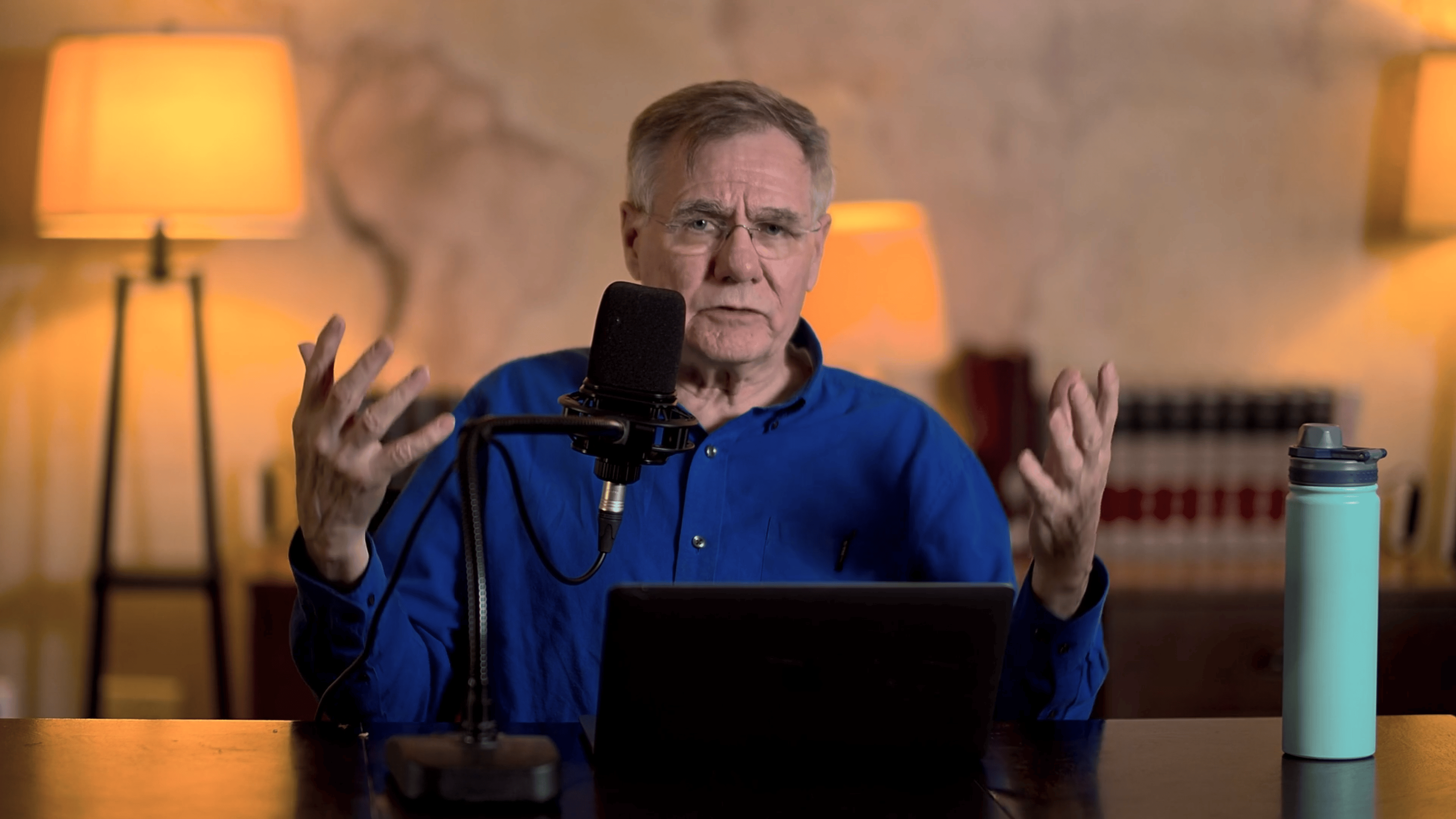 Course Lesson
Episode 034 is Easter a Pagan Holiday
Open a related course lesson for more teaching connected with Pagan Holidays.
Course Lesson
Episode 034 is Easter a Pagan Holiday
Open a related course lesson for more teaching connected with Pagan Holidays.