
c. 64–68 (tradition)Rome
Peter and Paul die as martyrs in Rome
“Peter, due to unrighteous envy, endured not just one or two, but numerous hardships”
Clement of Rome, writing to the church at Corinth, c. 96
1 Clement ch. 5
Part of: The Early ChristiansWhen was the early church period?
The short answer
The early church period runs from Pentecost in Jerusalem (c. AD 30) to the Council of Nicaea in 325, then more briefly on to Chalcedon in 451. Its turning points: Jerusalem falls (70), Decius orders the first empire-wide persecution (250), the Great Persecution begins (303), toleration comes in 311–313, and the Nicene Creed is written (325).
Sources for every dateUpdated 8 November 2026
Looking for who the early Christians were and what they believed? Start with The Early Christians.
What no other timeline has
c. 107–110 · Ignatius of Antioch, on the road to Rome
“I am the wheat of God, and let me be ground by the teeth of the wild beasts, so I may become the pure bread of Christ.”
ReadIgnatius, To the Romans ch. 4ListenIgnatius, To the Romans ch. 4
Tap Read to open the writing in our library, or Listen to open it ready to play (tap Play once). We know of no other timeline that links its events to the writings themselves, to read or to hear. Narration is computer-made (AI); each major writer has his own narrator voice.
From Pentecost to Chalcedon. Each button says what it opens.
Pentecost: the Holy Spirit comes and the church begins in Jerusalem. Jerusalem
ReadEarly guide to Acts 2 (attrib. Pamphilus)ListenActs 2 (KJV)
The Council of Jerusalem: Gentile believers need not be circumcised. Jerusalem
ReadEarly guide to Acts 15 (attrib. Pamphilus)ListenActs 15 (KJV)
The Great Fire of Rome; Nero blames the Christians (in Rome only). Rome
ReadTertullian, Apology ch. 21ListenTertullian, Apology ch. 21
Peter and Paul die as martyrs in Rome (by tradition). Rome
Roman armies destroy Jerusalem and the Temple. Jerusalem
Read about itStudy: Matthew 24 (topic page)ListenMatthew 24 (KJV)
The Didache, a short church manual, is written (range c. 50–120). Place unknown
Ignatius of Antioch writes seven letters on his way to die in Rome. Antioch to Rome
ReadIgnatius, To the Romans ch. 4ListenIgnatius, To the Romans ch. 4
Polycarp of Smyrna, about 86 years old, is burned alive. Smyrna
ReadMartyrdom of Polycarp ch. 9ListenMartyrdom of Polycarp ch. 9
Tertullian’s Apology: “the blood of Christians is seed.” Carthage
ReadTertullian, Apology ch. 50ListenTertullian, Apology ch. 50
Decius orders everyone to sacrifice: the first empire-wide persecution. Carthage and Alexandria
The Great Persecution begins under Diocletian. Nicomedia
ReadLactantius, The Persecutors ch. 12ListenLactantius, The Persecutors ch. 12
The “Edict of Milan” grants freedom of worship. Milan
ReadLactantius, The Persecutors ch. 48ListenLactantius, The Persecutors ch. 48
Emperor Constantine calls the Council of Nicaea; it condemns Arius and issues the Nicene Creed, and the emperor exiles Arius. Nicaea
ReadAlexander of Alexandria, writer pageRead about itChurch councils before Nicaea (topic page)
Edict of Thessalonica: Nicene Christianity becomes the state religion, and other Christians are threatened with punishment. Thessalonica
The Council of Chalcedon: Christ is one person in two natures. Chalcedon
Which emperors persecuted Christians, and how widely. Each row names a witness you can open.
Nero64
Rome only, after the Great Fire.
Witness
ReadTertullian, Apology ch. 21ListenTertullian, Apology ch. 21
Domitian81–96
How much he persecuted is debated; John is on Patmos.
Witness
ReadIrenaeus, Against Heresies V.30ListenIrenaeus, Against Heresies V.30
Trajanc. 112
Local trials. His rule: do not hunt Christians out.
Witness
ReadTertullian, Apology ch. 2ListenTertullian, Apology ch. 2
Marcus Aurelius161–180
Local outbreaks, such as Lyons in 177.
Witness: Athenagoras wrote his Plea to Marcus Aurelius
ReadAthenagoras, A Plea for the Christians ch. 4ListenAthenagoras, A Plea for the Christians ch. 4
Marcus Aurelius and Christian persecution · See it on the timeline
Septimius Severusc. 202–203
Local trials in North Africa and Egypt; Perpetua and Felicity die at Carthage.
Witness: the Passion of Perpetua and Felicitas
ReadPassion of Perpetua and Felicitas ch. 1ListenPassion of Perpetua and Felicitas ch. 1
Decius250–251
The first order for the whole empire: everyone must sacrifice.
Witness
Valerian257–258
Aimed at bishops and clergy; Cyprian is beheaded.
Witness
ReadPontius, Life and Passion of CyprianListenPontius, Life and Passion of Cyprian
Diocletian and Galerius303–311
The Great Persecution: churches torn down, Scriptures burned.
Witness
ReadLactantius, The Persecutors ch. 12ListenLactantius, The Persecutors ch. 12
It mostly ends: Galerius; Constantine and Licinius311 and 313
Toleration (311), then freedom of worship (313). Maximinus Daia kept it up in the East until 313, and Licinius turned on Christians again c. 320–324.
Witness
ReadLactantius, The Persecutors ch. 48ListenLactantius, The Persecutors ch. 48
The Edict of Milan in early Christian writings · See it on the timeline
Common mistakes. Nero’s persecution (64) was in Rome only; Decius gave the first empire-wide order (250). The Milan letter (313) granted freedom of worship; Christianity became the state religion only in 380, under Theodosius. The Council of Nicaea did not decide the books of the Bible.
Each answer gives the date, then the words of someone who was there or close to it, with a button to read or hear the whole text.
Date c. 30–451
Most historians use three: the Apostolic period (c. 30–100), the Ante-Nicene period (c. 100–325, before the Council of Nicaea) and the Nicene period (325–451). Some run the early church on to about 600.
Date c. 30–325
Pentecost (c. 30), the Council of Jerusalem (c. 48–50), Nero’s persecution in Rome (64), the fall of Jerusalem (70), the first empire-wide persecution under Decius (250–251), the Great Persecution (303), toleration in 311 and 313, and the Council of Nicaea (325).
In their words
“The oftener we are mown down by you, the more in number we grow. The blood of Christians is seed.”
— Tertullian, Apology ch. 50 · summer/autumn 197
ReadTertullian, Apology ch. 50ListenTertullian, Apology ch. 50
Date c. 50–100
Roughly AD 50 to 100. Paul’s 1 Thessalonians (c. 50) is often called the oldest book. Most scholars date the four Gospels c. 65–100; many conservatives put Matthew, Mark and Luke before 70. Revelation is usually dated c. 95.
In their words
“Matthew also wrote a Gospel in the Hebrew language while Peter and Paul were preaching in Rome and laying the foundations of the Church.”
— Irenaeus, Against Heresies III.1 · c. 65–100 (disputed)
ReadIrenaeus, Against Heresies III.1ListenIrenaeus, Against Heresies III.1
1 Thessalonians 1 (KJV), read aloud · Which Gospel was written first?
Date c. 100 (c. 50–120)
Usually about AD 100, though scholars give a range from about 50 to 120. It is a short church manual: the Two Ways, baptism and the Lord’s Supper.
In their words
“There are two ways: one of life and one of death.”
— The Didache ch. 1 · c. 100 (range c. 50–120)
Date c. 64–68
By early tradition both died as martyrs in Rome under Nero, about 64–68. The New Testament does not record their deaths; Clement of Rome, writing about 96, is an early witness.
In their words
“Peter, due to unrighteous envy, endured not just one or two, but numerous hardships”
— 1 Clement ch. 5 · c. 64–68 (tradition)
Date 64–313
Nero (64) struck in Rome only. Under Trajan (c. 112) Christians were punished if accused but not hunted. Decius (250) ordered the first empire-wide persecution, Valerian (257–258) struck at the clergy, and Diocletian began the Great Persecution (303). It ended with Galerius’ edict (311) and the Milan agreement (313).
In their words
“We permit them once again to be Christians and to establish places for their religious assemblies, provided that they do not act against good order.”
— Lactantius, The Persecutors ch. 34 · 30 April 311
ReadLactantius, The Persecutors ch. 34ListenLactantius, The Persecutors ch. 34
Date from the apostles; described c. 100–155
The New Testament already shows believers gathering on the first day of the week (Acts 20:7). The Didache (c. 100) and Ignatius (c. 107–110) speak of meeting on the Lord’s day, and about 155 Justin Martyr describes the Sunday gathering in detail: readings, teaching, prayer and the Lord’s Supper.
In their words
“On the day called Sunday, everyone who lives in cities or in the country gathers together in one place.”
— Justin, First Apology ch. 67 · c. 155–157
ReadJustin, First Apology ch. 67ListenJustin, First Apology ch. 67
Date 313 and 380
Not under Constantine. The Milan agreement of 313 gave Christians, and everyone else, freedom of worship. Nicene Christianity became the state religion on 27 February 380, by the Edict of Thessalonica under Theodosius. That law also threatened Christians who disagreed with the emperor’s punishment.
In their words
“both Christians and all others should have the freedom to follow whatever religion each one thinks best”
ReadLactantius, The Persecutors ch. 48ListenLactantius, The Persecutors ch. 48
Edict of Milan in early Christian writings · Did Constantine change Christianity?
Date 325
In 325 Emperor Constantine called the bishops to Nicaea and opened the council. They condemned Arius’ teaching that the Son was created, issued the Nicene Creed (the Son “of one substance” with the Father) and set a common Easter date; Constantine then exiled Arius. Canon 12 still put under penance Christians who went back to the army after leaving it. The council did not decide which books belong in the Bible.
In their words
Written c. 318–324, before the council
“there have arisen among us those hidden sprouts of theirs, Arius and Achilles”
— Alexander of Alexandria, Epistles on the Arian Heresy · c. 318–324
ReadAlexander of Alexandria, Epistles on the Arian HeresyListenAlexander of Alexandria, Epistles on the Arian Heresy
Date late 2nd c. – 397
There was no single moment. The Muratorian list (usually dated late 2nd century) is the oldest surviving list; Athanasius named exactly the 27 books in 367; councils at Hippo (393) and Carthage (397) followed, and debate went on after. The same councils’ Old Testament included Tobit, Judith, Wisdom, Sirach and 1–2 Maccabees; the early church read the Old Testament in the Greek Septuagint.
Date c. 48–135
Gradually, not on one day. The Council of Jerusalem (c. 48–50) freed Gentile believers from circumcision; the fall of the Temple (70) and the Bar Kokhba revolt (132–135), when its leader punished Christians who would not deny Jesus, are key markers.
In their words
“Barchochebas, the leader of the Jewish revolt, ordered that only Christians should be subjected to cruel punishments unless they denied Jesus Christ”
— Justin, First Apology ch. 31 · 132–135
ReadJustin, First Apology ch. 31ListenJustin, First Apology ch. 31
Date c. 144–451
Early splits came over teaching and discipline: Marcion at Rome (c. 144), Hippolytus’ rival church at Rome (c. 217), Novatian’s at Rome (251) and the Donatists in North Africa (from 311). After the councils of Ephesus (431) and Chalcedon (451), the Church of the East and the Oriental Orthodox churches parted from the rest. The East–West split usually dated 1054 is outside this timeline.
In their words
Cyprian, writing as Novatian’s split began, 251
“He can no longer have God as his Father who does not have the Church as his mother.”
ReadCyprian, On the Unity of the ChurchListenCyprian, On the Unity of the Church
This early church timeline is also a timeline of early Christianity: it runs from Pentecost to Chalcedon, the first part of any church history timeline. Each era opens with two witnesses in their own words; then every date follows, with a place, a note on how it is dated, and the writing to read or hear. “c.” means about; where scholars disagree, the date says so.
Apostolic period · c. AD 30–100
Era 1 · Apostolic period
20 dates · 18 open the writing · 18 can be heard
The first-century church, from Pentecost to the death of the last apostle. The church spreads from Jerusalem to Antioch, Greece and Rome, the New Testament is written, and Nero’s persecution (64) and the fall of Jerusalem (70) mark the age.

c. 64–68 (tradition)Rome
“Peter, due to unrighteous envy, endured not just one or two, but numerous hardships”
Clement of Rome, writing to the church at Corinth, c. 96
1 Clement ch. 5
c. 100 (range c. 50–120)Place unknown
“There are two ways: one of life and one of death.”
The Didache (The Teaching of the Twelve Apostles), author unknown
The Didache ch. 1
c. 30 or 33Jerusalem
Event: Pentecost: the Holy Spirit comes and the church begins in Jerusalem (Acts 2) 1
“What is this Pentecost? It is the time when the sickle was to be put to the harvest, and the ingathering was made.”
Who Peter and the apostles, Pamphilus (attrib.)
ReadEarly guide to Acts 2 (attrib. Pamphilus)ListenActs 2 (KJV)
Also read John Chrysostom, Homily 4 on ActsTopic Pentecost and the Holy Spirit · Study: Acts 2:38–47
c. 34–36Jerusalem
Persecution or martyrdom: Stephen, the first martyr, is stoned (Acts 7) 2
Who Stephen, Pamphilus (attrib.)
ReadEarly guide to Acts 7 (attrib. Pamphilus)ListenActs 7 (KJV)
Topic Stephen the martyr
c. 33–36Near Damascus
Event: Paul meets Christ on the Damascus road (Acts 9; Galatians 1) 3
Who Paul, Pamphilus (attrib.)
ReadEarly guide to Acts 9 (attrib. Pamphilus)ListenActs 9 (KJV)
Bible Galatians 1 (KJV)Topic Video: Reading Paul through first-century eyes
c. 37–41Caesarea
Event: Peter baptizes Cornelius, the first Gentile household (Acts 10) 4
Who Peter, Cornelius, Pamphilus (attrib.)
ReadEarly guide to Acts 10 (attrib. Pamphilus)ListenActs 10 (KJV)
c. 40–44Antioch
Event: At Antioch the disciples are first called “Christians” (Acts 11:26) 5
Who Barnabas, Paul, Pamphilus (attrib.)
ReadEarly guide to Acts 11 (attrib. Pamphilus)ListenActs 11 (KJV)
Topic The name “Christian”
44Jerusalem
Persecution or martyrdom: James son of Zebedee is killed; Herod Agrippa I dies (Acts 12) 6
Who James son of Zebedee, Herod Agrippa I, Pamphilus (attrib.)
ReadEarly guide to Acts 12 (attrib. Pamphilus)ListenActs 12 (KJV)
Topic The apostles
c. 46–48From Antioch
Event: Paul and Barnabas sent out: the first missionary journey (Acts 13–14) 7
Who Paul, Barnabas, Pamphilus (attrib.)
ReadEarly guide to Acts 13 (attrib. Pamphilus)ListenActs 13 (KJV)
Bible Acts 14 (KJV)Topic Barnabas
c. 48–50 (often 49)Jerusalem
Council or church meeting: The Council of Jerusalem: Gentile believers need not be circumcised (Acts 15) 8
“According to the decree and judgment of the apostles, the Gentiles who believe should not be circumcised.”
Who James, Peter, Paul, Pamphilus (attrib.)
ReadEarly guide to Acts 15 (attrib. Pamphilus)ListenActs 15 (KJV)
Topic Study: Acts 15 · Jewish Christianity and the early church
c. 49–52Philippi, Athens, Corinth
Event: Paul’s second journey: Philippi, Athens, Corinth; 1 Thessalonians (c. 50), often called the oldest New Testament book; Paul before Gallio (c. 51–52), the firmest date in his life 9
Who Paul, Silas, Pamphilus (attrib.)
ReadEarly guide to Acts 18 (attrib. Pamphilus)ListenActs 18 (KJV)
Bible Acts 17 (KJV) · 1 Thessalonians 1 (KJV)Topic The New Testament canon
c. 53–57Ephesus
Event: Paul’s third journey; about three years at Ephesus; he writes 1–2 Corinthians and Romans 10
Who Paul, Pamphilus (attrib.)
ReadEarly guide to Acts 19 (attrib. Pamphilus)ListenActs 19 (KJV)
Bible 1 Corinthians 15 (KJV) · Romans 16 (KJV)Topic The church at Ephesus
c. 57–62Jerusalem to Rome
Event: Paul arrested in Jerusalem, held at Caesarea, shipwrecked, two years under guard in Rome (Acts 21–28) 11
Who Paul, Pamphilus (attrib.)
ReadEarly guide to Acts 28 (attrib. Pamphilus)ListenActs 28 (KJV)
62Jerusalem
Persecution or martyrdom: James the Just, leader of the Jerusalem church, is killed (Josephus) 12
Who James the Just
64Rome
Persecution or martyrdom: Great Fire of Rome; Nero blames the Christians — the first persecution by an emperor, limited to Rome 13
“they at last, by Nero's cruel sword, sowed at Rome the seed of Christian blood.”
Who NeroWritten by Tertullian, c. 197
ReadTertullian, Apology ch. 21ListenTertullian, Apology ch. 21
c. 64–68 (tradition)Rome
Persecution or martyrdom: Peter and Paul die as martyrs in Rome 14
“Peter, due to unrighteous envy, endured not just one or two, but numerous hardships”
Who Peter, PaulWritten by Clement of Rome, c. 96
Read1 Clement ch. 5Listen1 Clement ch. 5
Bible John 21:18 (KJV) · 2 Timothy 4:6 (KJV)Topic Peter and Rome · Peter the apostle
70Jerusalem
Event: Roman armies destroy Jerusalem and the Temple 15
Who Titus, the Roman general
Bible Luke 21:20 (KJV)Topic Study: Matthew 24 · The Jewish Temple and Christian worship
c. 65–100 (disputed)Several churches
Writing: The four Gospels are written (most scholars c. 65–100; many conservatives put Matthew, Mark and Luke before 70) 16
“Matthew also wrote a Gospel in the Hebrew language while Peter and Paul were preaching in Rome and laying the foundations of the Church.”
Who Matthew, Mark, Luke, JohnWritten by Irenaeus, c. 180, and Papias
ReadIrenaeus, Against Heresies III.1ListenIrenaeus, Against Heresies III.1
Also read Papias, Fragment 6Bible Mark 1 (KJV) · Luke 1 (KJV)Topic The Gospels and apostolic witness · Answer: Which Gospel was written first?
81–96; Revelation c. 95Patmos
Persecution or martyrdom: Domitian’s reign; John on Patmos writes Revelation (how much Domitian persecuted is debated) 17
“For that was seen not very long ago, but almost in our day, toward the end of Domitian's reign.”
Who John, DomitianWritten by Irenaeus and Victorinus
ReadIrenaeus, Against Heresies V.30ListenIrenaeus, Against Heresies V.30
Also read Victorinus, Commentary on the Apocalypse ch. 10Bible Revelation 1:9 (KJV)Topic Domitian and Christian persecution · The Book of Revelation
c. 96 (a few say c. 70)Rome, to Corinth
Writing: Clement of Rome writes to the quarrelling church at Corinth (1 Clement) 18
Who Clement of Rome
Read1 ClementListen1 Clement ch. 1
Topic The church at Corinth
c. 100 (range c. 50–120)Place unknown
Writing: The Didache, a short church manual: the Two Ways, baptism, the Lord’s Supper 19
“There are two ways: one of life and one of death.”
Who Unknown teachers
c. 100 (tradition)Ephesus
Event: The apostle John dies at Ephesus, the last of the Twelve 20
“the Church in Ephesus, founded by Paul and where John remained until the time of Trajan, is a true witness of the apostolic tradition.”
Who JohnWritten by Irenaeus, c. 180
ReadIrenaeus, Against Heresies III.3ListenIrenaeus, Against Heresies III.3
Bible John 21 (KJV)Topic The apostles
Ante-Nicene period · c. AD 100–325
Era 2 · Ante-Nicene period
10 dates · 10 open the writing · 10 can be heard
The apostles’ students lead the churches. Ignatius, Polycarp, Papias and the Didache show how the churches were ordered and what they taught; Rome’s rule, set by Trajan, is not to hunt Christians out.
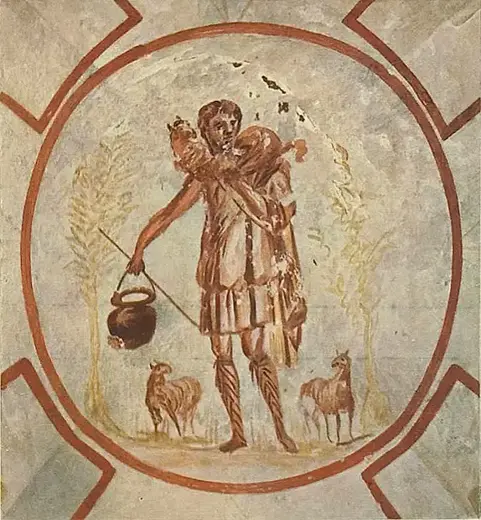
c. 107–110Antioch to Rome
“I am the wheat of God, and let me be ground by the teeth of the wild beasts, so I may become the pure bread of Christ.”
Ignatius of Antioch, to the Christians at Rome
Ignatius, To the Romans ch. 4
ListenIgnatius, To the Romans ch. 4ReadIgnatius, To the Romans ch. 4
c. 112Bithynia
“For Pliny the Younger, when he was ruler of a province, had condemned some Christians to death, and had driven some from their steadfastness.”
Tertullian retells it, c. 197 (Pliny’s own letter is not on our site)
Tertullian, Apology ch. 2
ListenTertullian, Apology ch. 2ReadTertullian, Apology ch. 2
c. 107–110Antioch to Rome
Event: Ignatius of Antioch, taken to Rome to die under Trajan, writes seven letters on the way 21
“I am the wheat of God, and let me be ground by the teeth of the wild beasts, so I may become the pure bread of Christ.”
Who Ignatius of Antioch, Trajan
ReadIgnatius, To the Romans ch. 4ListenIgnatius, To the Romans ch. 4
Also read Ignatius, To the Smyrnaeans ch. 8 · Ignatius, The Martyrdom of Ignatius (a much later account)Topic Bishops · Overseers and bishops
c. 110–140Smyrna
Writing: Polycarp of Smyrna writes to the Philippians 22
“Let us then continually persevere in our hope and the earnest of our righteousness, which is Jesus Christ”
ReadPolycarp, To the Philippians ch. 8ListenPolycarp, To the Philippians ch. 8
c. 110–130Hierapolis
Writing: Papias of Hierapolis collects what the elders remembered of the apostles (fragments) 23
“Mark, having become Peter's interpreter, accurately wrote down everything he remembered.”
ReadPapias, Fragment 6ListenPapias, Fragment 6
Topic The Gospel of Mark
c. 112Bithynia
Persecution or martyrdom: Pliny asks Emperor Trajan what to do with Christians; Trajan: do not hunt them out 24
“For Pliny the Younger, when he was ruler of a province, had condemned some Christians to death, and had driven some from their steadfastness.”
Who Pliny the Younger, TrajanWritten by Tertullian retells it, c. 197 (Pliny’s own letter is not on our site)
ReadTertullian, Apology ch. 2ListenTertullian, Apology ch. 2
c. 100–150Rome
Writing: The Shepherd of Hermas, a long call to repent, written in Rome; the Epistle of Barnabas (c. 70–135, often c. 130; not by the apostle) 25
Who Hermas, “Barnabas” (not the apostle)
ReadHermas, The ShepherdListenHermas, The Shepherd, Vision 1
Also read the Epistle of BarnabasTopic The Shepherd of Hermas · The Epistle of Barnabas
c. 125 (to Hadrian) or c. 140 — disputedAthens
Writing: Aristides of Athens hands the emperor a defence of the Christians 26
“What follows is the defense that Aristides the philosopher presented before King Hadrian on behalf of reverence for God.”
Who Aristides of Athens, Hadrian
ReadAristides, ApologyListenAristides, Apology
Topic Hadrian and the early Christians · The early Christian apologists
132–135Judea
Persecution or martyrdom: The Bar Kokhba revolt; its leader punishes Christians who will not deny Jesus 27
“Barchochebas, the leader of the Jewish revolt, ordered that only Christians should be subjected to cruel punishments unless they denied Jesus Christ”
Who Bar Kokhba, Justin MartyrWritten by Justin Martyr, c. 155
ReadJustin, First Apology ch. 31ListenJustin, First Apology ch. 31
c. 130–200 (disputed)Place unknown
Writing: The Letter to Diognetus: Christians are to the world what the soul is to the body 28
“To sum up everything in one word—what the soul is in the body, that Christians are in the world.”
c. 144Rome
Event: Marcion breaks with the church at Rome and rejects the Creator God of the Old Testament 29
“Marcion, a man from Pontus, is alive today and teaches his disciples to believe in a god greater than the Creator.”
Who Marcion, Justin MartyrWritten by Justin Martyr, c. 155
ReadJustin, First Apology ch. 26ListenJustin, First Apology ch. 26
Also read Tertullian, Against Marcion (207–208)Topic Marcion and Marcionism
c. 120–180Alexandria and Rome
Event: Gnostic teachers (Basilides, Valentinus) spread secret-knowledge teaching; Irenaeus answers them c. 180 30
Who Basilides, Valentinus, Irenaeus
ReadIrenaeus, Against Heresies Book IListenIrenaeus, Against Heresies Book I
Topic Gnostics and Gnosticism · Valentinus and the Valentinians
Era 3 · Ante-Nicene period
11 dates · 9 open the writing · 9 can be heard
Christians begin to answer the empire in writing. Justin, Athenagoras and Theophilus defend the faith, while believers die for it at Smyrna, Rome, Lyons and Scilli.
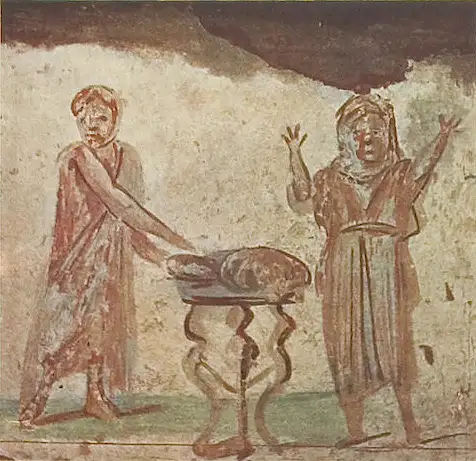
c. 155–157Rome
“On the day called Sunday, everyone who lives in cities or in the country gathers together in one place.”
Justin Martyr, in his First Apology, written to the emperor
Justin, First Apology ch. 67
ListenJustin, First Apology ch. 67ReadJustin, First Apology ch. 67
17 July 180Carthage
“Speratus said, "I am a Christian." And they all agreed with him.”
The court record of their trial, often called the oldest dated Christian writing in Latin
Passion of the Scillitan Martyrs
ListenPassion of the Scillitan MartyrsReadPassion of the Scillitan Martyrs
c. 155–157Rome
Writing: Justin Martyr’s First Apology describes Sunday worship 31
“On the day called Sunday, everyone who lives in cities or in the country gathers together in one place.”
Who Justin Martyr
ReadJustin, First Apology ch. 67ListenJustin, First Apology ch. 67
Also read Justin, Dialogue with Trypho (c. 155–160)Topic Sunday worship · The Lord’s Day
c. 155 (some say 156 or 167)Smyrna
Persecution or martyrdom: Polycarp, about 86, is burned at Smyrna 32
“For eighty-six years I have served Him, and He never did me any harm: how then can I blaspheme my King and my Saviour?”
Who PolycarpWritten by The church of Smyrna, in a letter
ReadMartyrdom of Polycarp ch. 9ListenMartyrdom of Polycarp ch. 9
Topic Martyrs · Lesson: Blood of the Martyrs
c. 155 and c. 190Rome
Council or church meeting: The Easter-date dispute: Polycarp and Anicetus agree to differ; later Irenaeus urges Bishop Victor to keep the peace 33
“Thus, the difference in observing the fast fosters the harmony of our shared faith.”
Who Polycarp, Anicetus, Irenaeus, VictorWritten by Irenaeus
ReadIrenaeus, Fragment 3 (letter to Victor)ListenIrenaeus, Fragment 3 (letter to Victor)
Topic The Paschal controversy and Easter · The Quartodecimans and Pascha
c. 165 (162–168)Rome
Persecution or martyrdom: Justin and his companions are tried and beheaded in Rome 34
Who Justin MartyrWritten by The court record of the trial
ReadThe Martyrdom of Justin (court record)ListenThe Martyrdom of Justin (court record)
Topic Martyrs
c. 160–170Rome
Writing: Tatian, Justin’s student, writes his Address to the Greeks and (c. 170) the Diatessaron, one story from four Gospels 35
Who Tatian
ReadTatian, Address to the GreeksListenTatian, The Diatessaron
Also read Tatian, The DiatessaronTopic The Gospels and apostolic witness
176–177Athens
Writing: Athenagoras of Athens writes A Plea for the Christians to Marcus Aurelius 36
“First, about the charge that we are atheists—I will answer the charges one by one”
Who Athenagoras, Marcus Aurelius
ReadAthenagoras, A Plea for the Christians ch. 4ListenAthenagoras, A Plea for the Christians ch. 4
177Lyons, in Gaul
Persecution or martyrdom: Martyrs of Lyons and Vienne in Gaul (their letter survives only in Eusebius — not hosted) 37
Who The martyrs of Lyons and Vienne, Irenaeus
No writing from this event is on our site yet. Read about itMarcus Aurelius and Christian persecution
Topic Gladiators and the arena
17 July 180Carthage
Persecution or martyrdom: The Scillitan martyrs of North Africa: often called the oldest dated Christian writing in Latin 38
“Speratus said, "I am a Christian." And they all agreed with him.”
Who Speratus and companionsWritten by The court record of the trial
ReadPassion of the Scillitan MartyrsListenPassion of the Scillitan Martyrs
Topic Martyrs
c. 180Lyons
Writing: Irenaeus, Against Heresies: the rule of faith and the list of bishops of Rome 39
“The blessed apostles, having established and built up the Church, entrusted the role of the episcopate to Linus.”
ReadIrenaeus, Against Heresies III.3ListenIrenaeus, Against Heresies III.3
c. 180Antioch
Writing: Theophilus of Antioch, To Autolycus: the oldest surviving use of the word “Trinity” (Greek *trias*) 40
“the three days before the heavenly lights are types of the Trinity: God, and His Word, and His wisdom.”
ReadTheophilus, To Autolycus II.15ListenTheophilus, To Autolycus II.15
Topic The Trinity
late 2nd c. (a minority say 4th c.)Place unknown
Writing: The Muratorian list, the oldest surviving list of New Testament books 41
Who Unknown author
No writing from this event is on our site yet. Read about itThe Muratorian fragment
Topic The New Testament canon
Walk on to the next era: Irenaeus, Tertullian and Origen, c. 180–250
Era 4 · Ante-Nicene period
10 dates · 10 open the writing · 10 can be heard
Teachers in Gaul, North Africa, Rome and Egypt. Irenaeus sets out the rule of faith, Tertullian writes in Latin, Hippolytus works at Rome, and Origen builds the first whole system of Christian teaching.
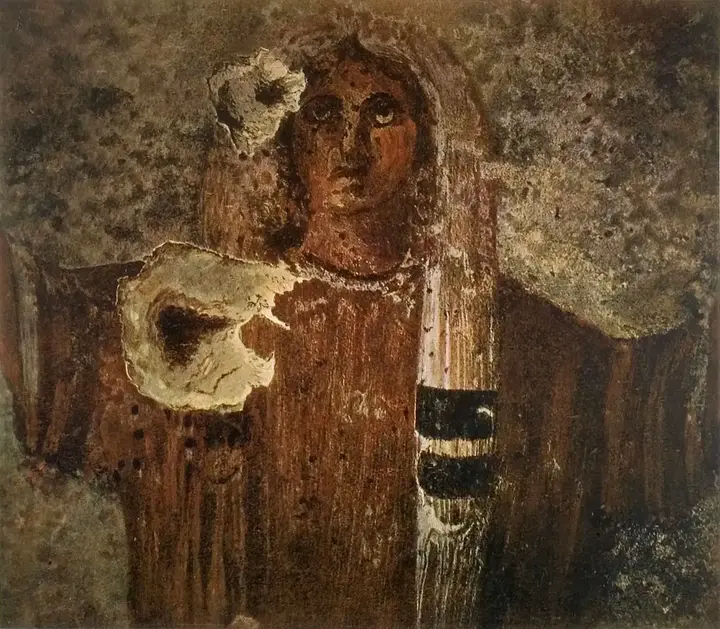
summer/autumn 197Carthage
“The oftener we are mown down by you, the more in number we grow. The blood of Christians is seed.”
Tertullian of Carthage, defending the Christians
Tertullian, Apology ch. 50
ListenTertullian, Apology ch. 50ReadTertullian, Apology ch. 50
7 March 203 (some say 202)Carthage
“Neither can I call myself anything else than what I am, a Christian.”
Perpetua, to her father; traditionally her own account, written in prison
Passion of Perpetua and Felicitas ch. 1
ListenPassion of Perpetua and Felicitas ch. 1ReadPassion of Perpetua and Felicitas ch. 1
summer/autumn 197Carthage
Writing: Tertullian’s Apology: “the blood of Christians is seed” 42
“The oftener we are mown down by you, the more in number we grow. The blood of Christians is seed.”
Who Tertullian
ReadTertullian, Apology ch. 50ListenTertullian, Apology ch. 50
Topic Persecution
c. 200Carthage
Writing: Tertullian on baptism and against heretics (On Baptism; Prescription) 43
“Blessed is our sacrament of water, because by washing away the sins of our earlier blindness, we are set free and welcomed into eternal life.”
Who Tertullian
ReadTertullian, On Baptism ch. 1ListenTertullian, On Baptism ch. 1
Also read Tertullian, On Prescription Against Heretics ch. 7Topic Heresies and heretics
7 March 203 (some say 202)Carthage
Persecution or martyrdom: Perpetua, a young mother, and Felicity are killed in the arena at Carthage 44
“Neither can I call myself anything else than what I am, a Christian.”
Who Perpetua, FelicityWritten by Traditionally edited by Tertullian (disputed)
ReadPassion of Perpetua and Felicitas ch. 1ListenPassion of Perpetua and Felicitas ch. 1
Topic Martyrs
c. 195–202Alexandria
Writing: Clement of Alexandria teaches in Egypt: Exhortation, The Instructor, Stromata 45
ReadClement of Alexandria, Exhortation to the Heathen ch. 1ListenClement of Alexandria, Exhortation to the Heathen ch. 1
c. 200–235Rome
Writing: Hippolytus at Rome: On Christ and Antichrist; Refutation of All Heresies (after 222) 46
Who Hippolytus
ReadHippolytus, Treatise on Christ and AntichristListenHippolytus, On Christ and Antichrist
Also read Hippolytus, Refutation of All HeresiesTopic Heresies and heretics
c. 212Carthage
Writing: Tertullian, To Scapula: worship must be free 47
“it is a basic human right, a privilege of nature, that every man should worship according to his own convictions.”
Who Tertullian, Scapula
ReadTertullian, To Scapula ch. 2ListenTertullian, To Scapula ch. 2
c. 213Carthage
Writing: Tertullian, Against Praxeas: three Persons, one God 48
“placing in their order the three Persons—the Father, the Son, and the Holy Ghost”
Who Tertullian, Praxeas
ReadTertullian, Against Praxeas ch. 2ListenTertullian, Against Praxeas ch. 2
c. 220–230Alexandria
Writing: Origen, On First Principles, the first attempt at a whole system of Christian teaching 49
Who Origen, Gregory Thaumaturgus
ReadOrigen, De Principiis, PrefaceListenOrigen, De Principiis, Preface
Also read Gregory Thaumaturgus, Oration to Origen (c. 238)Topic The Hexapla · Answer: When did Origen live?
c. 248Caesarea
Writing: Origen, Against Celsus, answers the first big pagan attack on the faith 50
“We do not indeed fight under him, even if he requires it. But we fight on his behalf, forming a special army, an army of piety, by offering our prayers to God.”
Who Origen, Celsus
ReadOrigen, Against Celsus, Book I prefaceListenOrigen, Against Celsus, Book I preface
c. 200–240 (disputed)Rome
Writing: Minucius Felix, Octavius: “we do not speak great things, but live them” 51
“We who bear wisdom not in our dress, but in our mind, do not speak great things, but live them.”
Who Minucius Felix
Era 5 · Ante-Nicene period
9 dates · 8 open the writing · 8 can be heard
For the first time Rome turns on the church across the whole empire. Decius (250) and Valerian (257–258) demand sacrifice; the churches argue over the lapsed and over rebaptism, and nurse the sick through plague.
250–251Carthage and Alexandria
“They ran to the marketplace of their own accord.”
Cyprian of Carthage, grieving over Christians who gave in
Cyprian, On the Lapsed
c. 249–262Alexandria and Carthage
“They stayed with each other, and visited the sick without thinking of their own danger.”
Dionysius, bishop of Alexandria, in a letter to his people
Dionysius of Alexandria, Epistle 12
ListenDionysius of Alexandria, Epistle 12ReadDionysius of Alexandria, Epistle 12
250–251Carthage and Alexandria
Persecution or martyrdom: Decius orders everyone to sacrifice; Christians who give in become “the lapsed” 52
“They ran to the marketplace of their own accord.”
Who Decius, Cyprian, Dionysius of AlexandriaWritten by Cyprian and Dionysius of Alexandria
ReadCyprian, On the LapsedListenCyprian, On the Lapsed
Also read Dionysius of Alexandria, Epistle 3Topic Emperor Decius · Certificates of sacrifice
251Carthage and Rome
Writing: Cyprian writes On the Unity of the Church; Novatian leads a split at Rome 53
“He can no longer have God as his Father who does not have the Church as his mother.”
ReadCyprian, On the Unity of the ChurchListenCyprian, On the Unity of the Church
Also read Novatian, On the TrinityTopic Novatian and the Novatianists · Schism
c. 249–262Alexandria and Carthage
Event: A great plague; Christians nurse the sick when others flee 54
“They stayed with each other, and visited the sick without thinking of their own danger.”
Who Dionysius of Alexandria, CyprianWritten by Dionysius of Alexandria; Cyprian’s deacon Pontius
ReadDionysius of Alexandria, Epistle 12ListenDionysius of Alexandria, Epistle 12
Also read Pontius, Life and Passion of Cyprian
256Carthage
Council or church meeting: Council at Carthage: Cyprian’s bishops say heretics must be baptized again; Stephen of Rome disagrees 55
“When Stephen, the Bishop of Rome, had condemned by his letters the decisions of the African Council about the baptism of heretics”
Who Cyprian, Stephen of Rome, Treatise on Re-Baptism (unknown author)Written by Cyprian’s council of bishops
ReadSeventh Council of Carthage (256)ListenSeventh Council of Carthage (256)
Also read Treatise on Re-BaptismTopic Church councils before Nicaea · Synods and church councils
257–258; Cyprian dies 14 Sept 258Carthage
Persecution or martyrdom: Valerian strikes at the clergy; Cyprian is beheaded at Carthage 56
“after binding his own eyes with his own hands, he tried to hurry the slowness of the executioner”
Who Valerian, CyprianWritten by Pontius, Cyprian’s deacon
ReadPontius, Life and Passion of CyprianListenPontius, Life and Passion of Cyprian
Topic Emperor Valerian
268Antioch
Council or church meeting: A council at Antioch removes Bishop Paul of Samosata 57
Who Paul of Samosata, Malchion
ReadMalchion, Epistle Against Paul of SamosataListenMalchion, Epistle Against Paul of Samosata
Topic Adoptionism
c. 270–285Egyptian desert
Event: Antony gives away his goods and later withdraws into the Egyptian desert; monastic life spreads after c. 305 58
Who Antony of Egypt
No writing from this event is on our site yet. Read about itMonasticism and ascetic life
late 200s (text written c. 330–348)From Persia, into the Roman East
Event: Manichaeism reaches the Roman world; the Disputation with Manes is set c. 277 59
Who Mani, ArchelausWritten by A 4th-century text, probably by Hegemonius
ReadDisputation with Manes (4th c.)ListenDisputation with Manes (4th c.)
Topic Mani and the Manichaeans
c. 260–304Pettau
Writing: Victorinus of Pettau writes the oldest Latin commentary on Revelation; martyred c. 304 60
“when John said these things, he was on the island of Patmos, sentenced by Caesar Domitian to forced labor in the mines.”
ReadVictorinus, Commentary on the Apocalypse ch. 10ListenVictorinus, Commentary on the Apocalypse ch. 10
Bible Revelation 1 (KJV)Topic The Book of Revelation
Walk on to the next era: The Great Persecution to Nicaea, 300–325
Era 6 · Ante-Nicene period
9 dates · 8 open the writing · 7 can be heard
The last and worst persecution, then sudden freedom: Diocletian’s edicts (303), Galerius’ toleration (311), the Milvian Bridge (312), the Milan letter (313), and the dispute over Arius that leads to Nicaea (325). Before this the church had refused the sword; from 312 an emperor goes into battle under the sign of Christ.
23–24 Feb 303Nicomedia
“They found the books of the Holy Scriptures, and they threw them into the flames.”
Lactantius, who lived through these years
Lactantius, The Persecutors ch. 12
ListenLactantius, The Persecutors ch. 12ReadLactantius, The Persecutors ch. 12
313Milan
“both Christians and all others should have the freedom to follow whatever religion each one thinks best”
Constantine and Licinius, in the letter Lactantius copied word for word
Lactantius, The Persecutors ch. 48
ListenLactantius, The Persecutors ch. 48ReadLactantius, The Persecutors ch. 48
23–24 Feb 303Nicomedia
Persecution or martyrdom: The Great Persecution begins: soldiers tear down the church at Nicomedia 61
“They found the books of the Holy Scriptures, and they threw them into the flames.”
Who Diocletian, Galerius, LactantiusWritten by Lactantius, an eyewitness
ReadLactantius, The Persecutors ch. 12ListenLactantius, The Persecutors ch. 12
Topic Diocletian’s persecution
303–311Nicomedia and North Africa
Writing: Lactantius writes the Divine Institutes; Arnobius writes Against the Heathen; Methodius of Olympus dies a martyr (c. 311) 62
Who Lactantius, Arnobius, Methodius
ReadLactantius, The Divine InstitutesListenArnobius, Against the Heathen, Book I
Also read Arnobius, Against the Heathen · Methodius, The Banquet of the Ten VirginsTopic The early Christian apologists
306 (Peter martyred 311)Alexandria
Persecution or martyrdom: Peter of Alexandria sets gentle rules for those who gave in under torture 63
“But since the fourth Passover of the persecution has come”
ReadPeter of Alexandria, Canonical EpistleListenPeter of Alexandria, Canonical Epistle
30 April 311Nicomedia
Persecution or martyrdom: Galerius, dying, issues an edict of toleration 64
“We permit them once again to be Christians and to establish places for their religious assemblies, provided that they do not act against good order.”
Who Galerius, LactantiusWritten by Lactantius, who lived through it
ReadLactantius, The Persecutors ch. 34ListenLactantius, The Persecutors ch. 34
Topic Persecution
28 Oct 312Rome
Event: Constantine defeats Maxentius at the Milvian Bridge after a dream of the sign of Christ 65
“Constantine was instructed in a dream to have the heavenly sign drawn on the shields of his soldiers, and then to go into battle.”
Who Constantine, MaxentiusWritten by Lactantius, writing a few years later (c. 315); Eusebius later tells it as a vision in the sky
ReadLactantius, The Persecutors ch. 44ListenLactantius, The Persecutors ch. 44
The turn The church before this had taught that Christians do not kill or go to war. Lactantius, who tells this story, had himself written: “Thus it will be lawful neither for a just man to engage in warfare, since his warfare is justice itself” (Divine Institutes VI.20). Origen said the same (c. 248).
Topic Constantine and the church · Answer: Did Constantine change Christianity?
313Milan
Event: The “Edict of Milan”: Constantine and Licinius grant freedom of worship (not a state religion) 66
“both Christians and all others should have the freedom to follow whatever religion each one thinks best”
Who Constantine, LiciniusWritten by Constantine and Licinius, in the letter Lactantius copied
ReadLactantius, The Persecutors ch. 48ListenLactantius, The Persecutors ch. 48
from 311North Africa
Event: The Donatist split in North Africa over clergy who handed over Scriptures 67
Who The Donatists
No writing from this event is on our site yet. Read about itSchism
Topic Lesson: The Donatists
c. 318–324Alexandria
Event: Arius teaches the Son is a created being; Bishop Alexander of Alexandria removes him 68
“there have arisen among us those hidden sprouts of theirs, Arius and Achilles”
Who Arius, Alexander of AlexandriaWritten by Alexander of Alexandria
ReadAlexander of Alexandria, Epistles on the Arian HeresyListenAlexander of Alexandria, Epistles on the Arian Heresy
Topic Arianism
325Nicaea
Council or church meeting: Emperor Constantine calls and opens the Council of Nicaea: Arius condemned, the Nicene Creed (Son “of one substance” with the Father), a common Easter date; the emperor then exiles Arius 69
Who Emperor Constantine, bishops of the empireWritten by No writing of the council itself is on our site; Alexander of Alexandria’s letters lead up to it
ReadAlexander of Alexandria, writer page
Church and state The first council called by an emperor, whose order then enforces it. Yet the council’s Canon 12 still puts under penance Christians who left the army for the faith and then went back to it: the older view of the soldier’s life was still alive in 325.
Walk on to the next era: After Nicaea: creeds, councils, Chrysostom, 325–451
Nicene period · AD 325–451
Era 7 · Nicene period
11 dates · 5 open the writing · 1 can be heard
A short epilogue. After Constantine the church gains freedom, then favour, then power: by 380 the state enforces belief, which Christians before him never asked for. Councils put into creeds what the churches had taught on the Trinity and argue over how to speak of Christ, and John Chrysostom preaches at Antioch and Constantinople. Some historians run the early church period to about 600; this timeline stops at Chalcedon (451).

Lent 387Antioch
“certain vile persons, yes, thoroughly vile persons, trampled the laws underfoot, threw down the statues”
John Chrysostom, preaching at Antioch in Lent 387
John Chrysostom, Homilies on the Statues, Homily 5
ReadJohn Chrysostom, Homilies on the Statues, Homily 5
Text only: John Chrysostom is not narrated yet.
404–407Constantinople, then exile
“Nevertheless, even when I look at these disasters, I do not give up hope for better things.”
John Chrysostom, to the deaconess Olympias
John Chrysostom, Four Letters to Olympias
ReadJohn Chrysostom, Four Letters to Olympias
Text only: John Chrysostom is not narrated yet.
337Near Nicomedia
Event: Constantine is baptized shortly before he dies (22 May 337) 70
Who Constantine
No writing from this event is on our site yet. Read about itConstantine and the church
367Alexandria
Writing: Athanasius lists exactly the 27 New Testament books (debate went on after) 72
Who Athanasius
No writing from this event is on our site yet. Read about itThe New Testament canon
Topic The biblical canon
c. 375–380Syria
Writing: The Apostolic Constitutions are compiled in Syria from older church orders 71
Who An unknown compilerWritten by Compiled c. 375–380 from older church orders
27 Feb 380Thessalonica
Event: Edict of Thessalonica: Theodosius makes Nicene Christianity the state religion and threatens Christians who disagree with punishment 73
Who Theodosius I
Compare About 170 years earlier Tertullian had asked Rome for the opposite, that every man may worship according to his own convictions (To Scapula, c. 212).
No writing from this event is on our site yet. Read about itThe Roman Empire
381Constantinople
Council or church meeting: Council of Constantinople expands the creed on the Holy Spirit 74
Who Bishops of the East
No writing from this event is on our site yet. Read about itCreeds
386–397Antioch
Writing: John Chrysostom preaches at Antioch: homilies on Matthew, John, Romans and more 75
Who John Chrysostom
ReadJohn Chrysostom, Homilies on Matthew (1–60 of 90)
Text only: John Chrysostom is not narrated yet.
Also read John Chrysostom, Homilies on RomansTopic Article: John Chrysostom, master expositor
Lent 387Antioch
Writing: The riot of the statues at Antioch; Chrysostom’s 21 Homilies on the Statues 76
“certain vile persons, yes, thoroughly vile persons, trampled the laws underfoot, threw down the statues”
Who John Chrysostom
ReadJohn Chrysostom, Homilies on the Statues, Homily 5
Text only: John Chrysostom is not narrated yet.
397–398; 399Constantinople
Writing: Chrysostom becomes archbishop of Constantinople; the fall of the minister Eutropius 77
“Where now is the splendor of your consulship?”
Who John Chrysostom, Eutropius
ReadJohn Chrysostom, First Homily on Eutropius
Text only: John Chrysostom is not narrated yet.
404–407Constantinople, then exile
Writing: Chrysostom exiled; letters to Olympias and to Bishop Innocent of Rome; dies 14 Sept 407 78
“Nevertheless, even when I look at these disasters, I do not give up hope for better things.”
Who John Chrysostom, Olympias, Innocent I
ReadJohn Chrysostom, Four Letters to Olympias
Text only: John Chrysostom is not narrated yet.
Also read John Chrysostom, Correspondence with Bishop Innocent of Rome
431Ephesus
Council or church meeting: Council of Ephesus: Mary called Theotokos (God-bearer); Nestorius removed 79
Who Cyril of Alexandria, Nestorius
No writing from this event is on our site yet. Read about itTheotokos: Mary as God-bearer
Topic Lesson: The Nestorians
451Chalcedon
Council or church meeting: Council of Chalcedon: Christ one person in two natures; the Oriental Orthodox churches do not accept it 80
Who Bishops at Chalcedon
No writing from this event is on our site yet. Read about itThe two natures of Christ
Topic The hypostatic union
32 early Christian writers and writings on one line of years, AD 30–451. Each bar shows the years of their writings and deaths on this timeline, not whole lives. Striped bars mean scholars dispute the date. Tap a name to open the writer’s page and everything on our site by him.

Print this page with every era open, or save the chart as a picture to share or print.
Downloadthe chart (PNG picture)
Coming later Church fathers timeline, writer by writer
“c.” means about. These dates are argued over; we give the usual date and say where others differ. The bar shows the range scholars give; the dot is the usual date.
The Didache c. 100, but anywhere from c. 50 to 120.
The four Gospels Most scholars c. 65–100; many conservatives put Matthew, Mark and Luke before 70.
1 Clement c. 96; a few say c. 70.
Ignatius’ letters c. 107–110; a minority date them later.
Polycarp’s death c. 155; some say 156 or 167.
Aristides’ Apology c. 125 (to Hadrian) or c. 140.
Letter to Diognetus Anywhere from c. 130 to 200.
Domitian’s persecution How much he persecuted (reigned 81–96) is debated.
The Muratorian list Late 2nd century; a minority say 4th century.
Minucius Felix, Octavius c. 200–240.
Perpetua and Felicity 7 March 203; some say 202.
Tertullian, To Scapula c. 212; our library page says about 217.
Dates follow standard reference works, named in the notes; where a date is uncertain it carries “c.” or a range, and where scholars disagree the entry says so.
Every quotation is copied word for word from the plain modern-English text in our library (from the Ante-Nicene Fathers, and the Nicene and Post-Nicene Fathers for John Chrysostom) and links to its exact paragraph. Bible links open the King James Version, read aloud.
Some library titles name the wrong author, so this page gives the true one: the Martyrdom of Polycarp is a letter of the church of Smyrna; the Life of Cyprian is by his deacon Pontius; the Exposition on Acts is only attributed to Pamphilus; the Martyrdom of Justin is a court record. Our Octavius heading “Chapter 24” is the traditional chapter 38.
Narration is computer-made (AI). Each major writer has his own narrator voice; John Chrysostom is text only. A few events have no writing on our site yet, and those rows say so.
Updated 8 November 2026 · The Historic Faith
Coming later Church fathers timeline, writer by writer Roman persecution timeline When each New Testament book was written Book of Acts timeline When was the Didache written?
Part of The Early Christians: who they were, what they believed and wrote. The whole library: 192 early Christian writings in plain modern English.
One note for each date: the reference work it follows, and the text in our library. Reference works are linked; other timelines we checked are named but not linked.