Is Anabaptism a denomination?
No. Anabaptism is a family of churches that share the same roots and convictions, not one denomination with one headquarters. Mennonites, Amish, Hutterites, Brethren and many independent fellowships all belong to it, and each has its own leaders, customs and conferences. Some conservative churches today simply call themselves Kingdom Christians.
Are Anabaptists Christians?
Yes. Anabaptists confess the Apostles’ Creed faith: God the Father, Son and Holy Spirit, Jesus Christ crucified and risen, and the Bible as God’s Word. They stress that faith in Jesus must be lived out in obedience, especially to the Sermon on the Mount, inside a committed church of baptized believers.
Are the Amish Anabaptist?
Yes. The Amish are one branch of the Anabaptist family. They began in 1693, when Jakob Ammann, an elder in Alsace, parted from other Swiss Brethren over how strictly to practice shunning and other points of church order. His followers became the Amish. About 421,200 Amish live in North America today.
Is “Anabaptist” the same as “Baptist”?
No. Both baptize believers only, but Baptists began separately, among English believers in Amsterdam in 1609, almost a century after the Anabaptists. Most Baptists accept military service and oaths and do not practice the ban or plain dress. The comparison table above shows the differences side by side.
Who founded the Anabaptist movement?
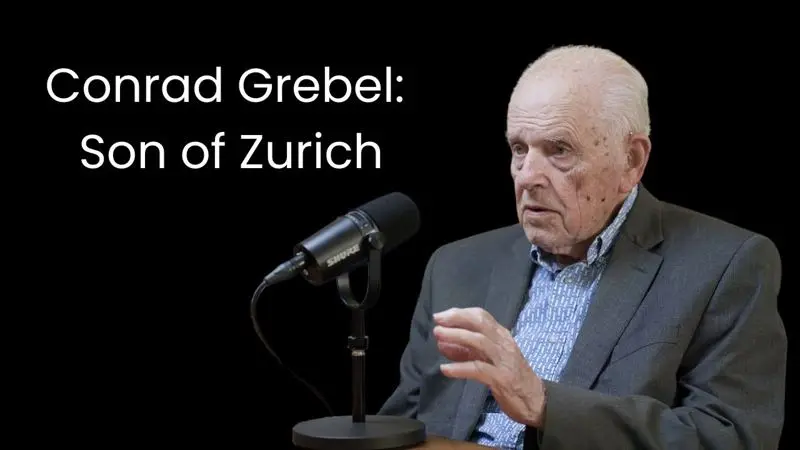
No single person. The first leaders in Zurich in 1525 were Conrad Grebel, Felix Manz and George Blaurock. Michael Sattler, Balthasar Hubmaier, Pilgram Marpeck, Jakob Hutter and Menno Simons led other early groups. Anabaptists themselves point back past all of them to Jesus and the apostles.
What is the Schleitheim Confession?
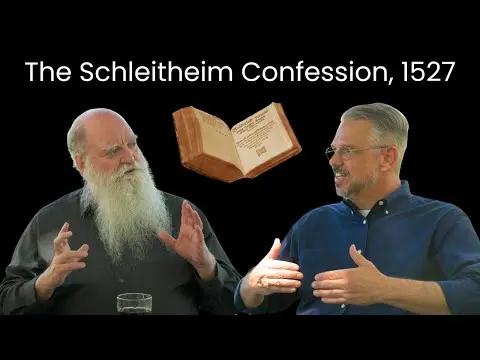
The first Anabaptist statement of faith, agreed at Schleitheim, Switzerland, on February 24, 1527, with Michael Sattler as its main author. Its seven articles cover baptism, the ban, the breaking of bread, separation from evil, shepherds of the church, the sword, and the oath. Sattler was executed a few months later.
Who was Menno Simons?
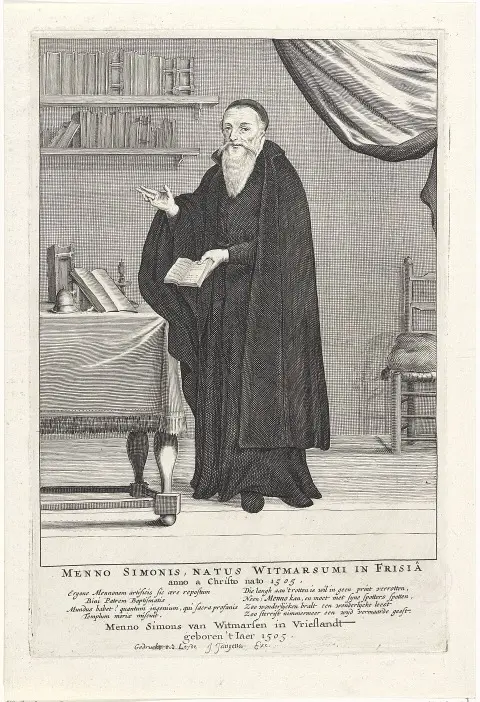
Menno Simons (1496–1561) was a Catholic priest in Friesland, in the Netherlands, who came to believe in believer’s baptism. In 1536 he left the priesthood and spent the rest of his life as a hunted leader and writer for the peaceful Dutch Anabaptists. The Mennonites are named after him.
What is the Martyrs Mirror?
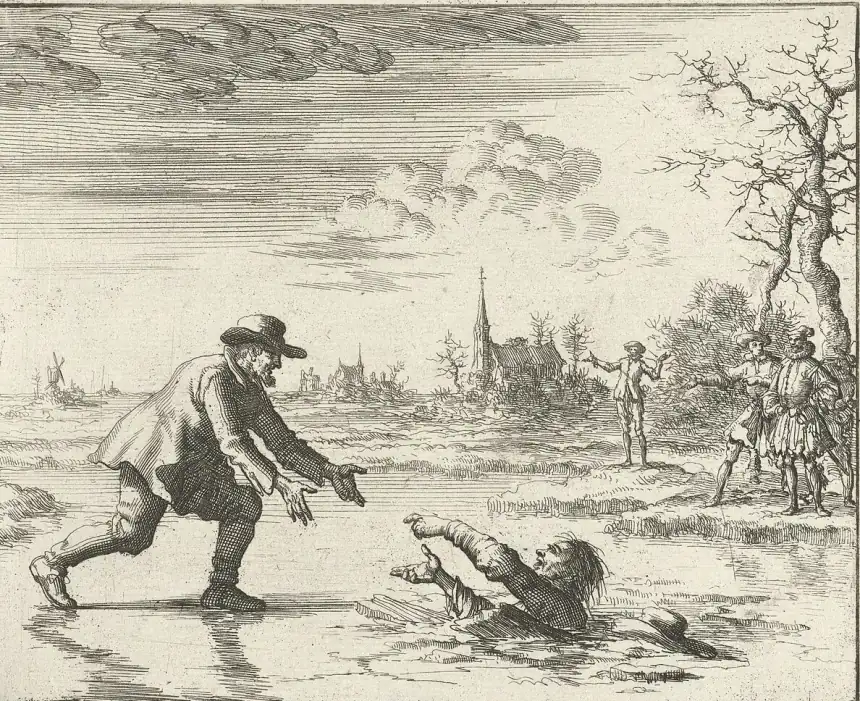
A large book first published in Dutch in 1660 by Thieleman J. van Braght. It tells the stories of Christians who died for their faith, from the apostles to the 1600s, and above all of Anabaptist martyrs. The 1685 edition added Jan Luyken’s etchings. Many Amish and Mennonite homes still keep a copy.
Why don’t Anabaptists baptize babies?
Because in the New Testament people are baptized after they hear the gospel, repent and believe. A baby cannot repent or confess faith. Anabaptists dedicate children to God and teach them, then baptize them when they can freely ask for it and commit to the church.
Why don’t Anabaptists swear oaths?
Jesus said “Swear not at all” (Matthew 5:34) and “let your communication be, Yea, yea; Nay, nay” (Matthew 5:37). Anabaptists take this plainly. In court they affirm instead of swearing, which most countries now allow. In the 1500s refusing the oath was treated as disloyalty and was one reason they were persecuted.
Did the first Christians believe what Anabaptists believe?
Anabaptists said they were going back to the church of the apostles. Christians who wrote before AD 325 — the Didache, Justin Martyr, Tertullian, Origen and others — speak of baptism after faith, of loving enemies instead of fighting, and of refusing oaths. You can read their own words here and judge for yourself.
Are Quakers Anabaptist?
No. Quakers began in England in the 1650s under George Fox, more than a century after the Anabaptists. They share a peace witness and plain living, and Quakers and Mennonites worked side by side in early Pennsylvania, but Quakers do not practice water baptism and are a separate movement.
Where can I read the early Anabaptist writings?
We do not yet host them. Public-domain English texts are online: the Dordrecht Confession of 1632 on Wikisource, Menno Simons’ Complete Works of 1871 at mennosimons.net, and the 1886 Martyrs Mirror at homecomers.org. You can hear Menno Simons’ own testimony read aloud on this site.
Dordrecht Confession · Menno Simons, Complete Works · Martyrs Mirror · Menno, read aloud