

Discover what the early Christians believed and practiced regarding baptism. Explore questions about baptismal timing, mode, and meaning from a historical Christian perspective.

This course is free to access. The Historic Faith is donation-funded, with no paywall and no subscription required. Generous supporters help keep these lessons open to anyone in the world.

Course Content

Play Without Quiz Interruptions

Plays through this course continuously and skips quiz and discussion stops. On desktop, this opens the normal playlist player with your current place.

Free Course Guide

What This Free Course Covers

This free course gathers question-and-answer lessons on baptism, with special attention to Scripture, early Christian practice, and common modern concerns. The lessons consider when a person should be baptized, how the early Christians viewed unbaptized believers, what baptism has to do with forgiveness of sins and receiving the Holy Spirit, and why baptism should not be reduced to joining a local denomination.

Several lessons address infant baptism and rebaptism, including questions from people baptized as infants, baptized in a church with serious error, or baptized with a single immersion rather than the triple immersion often seen in early Christian practice. The course also discusses timing, church membership, who may baptize, the wording used in baptism, and how to think carefully without judging Christians from other backgrounds. The tone is pastoral and cautious:

the instructor gives his own conclusions, but repeatedly notes where Scripture and the early writings leave some questions unresolved.

Believer's baptism Infant baptism Rebaptism Forgiveness of sins Holy Spirit Church membership Mode of baptism Early Christian practice Conscience and pastoral care Scripture and tradition

What You Will Study

  • The relationship between baptism, repentance, forgiveness of sins, and receiving the Holy Spirit
  • How the early Christians may have viewed believers who delayed or refused baptism
  • Questions about the age of baptism, including infant baptism and the age of accountability
  • When rebaptism may be recommended, avoided, or handled as a conditional baptism
  • Why baptism should be understood as entrance into the body of Christ, not merely local church membership
  • Early Christian preferences for immersion, triple immersion, pouring, and the use of living water when available
  • How to think about baptisms performed in churches or groups with doctrinal error
  • Pastoral questions about baptismal vows, church affiliation, and conscience

Questions This Course Helps Answer

  • Can a child be baptized too young, and is there an early Christian precedent for a minimum age?
  • How would the early church view a believer who has not been baptized?
  • Is baptism connected with being born again in the historic Christian understanding?
  • Were sins understood to be forgiven in baptism?
  • How did early Christians connect the laying on of hands with receiving the Holy Spirit?
  • Should baptism be delayed until a person can join a particular church?
  • Does it matter who performs the baptism?
  • Should someone baptized as an infant be baptized later on a personal profession of faith?
  • Should someone be rebaptized if the first baptism happened in a church with serious doctrinal error?
  • Is a single immersion in the name of the Father, Son, and Holy Spirit valid if early Christians often used triple immersion?
  • Is baptism into a denomination the same as baptism into the body of Christ?
  • Are vows made during baptism binding if they were not understood?

Lesson-by-Lesson Guide

What is the Appropriate Age for Baptism According to Early Church Practices?

This lesson weighs questions about the age of baptism, including the age of accountability, parental discernment, and the mixed evidence of early Christian practice. It also explains why the instructor favors believer's baptism while being slow to judge Christians in history who practiced infant baptism.

  • Can a child be baptized too young?
  • Is the age of accountability a useful guide?
  • Did the early church give a clear rule about the baptism of children?
  • How should Christians think about household baptisms in Acts?
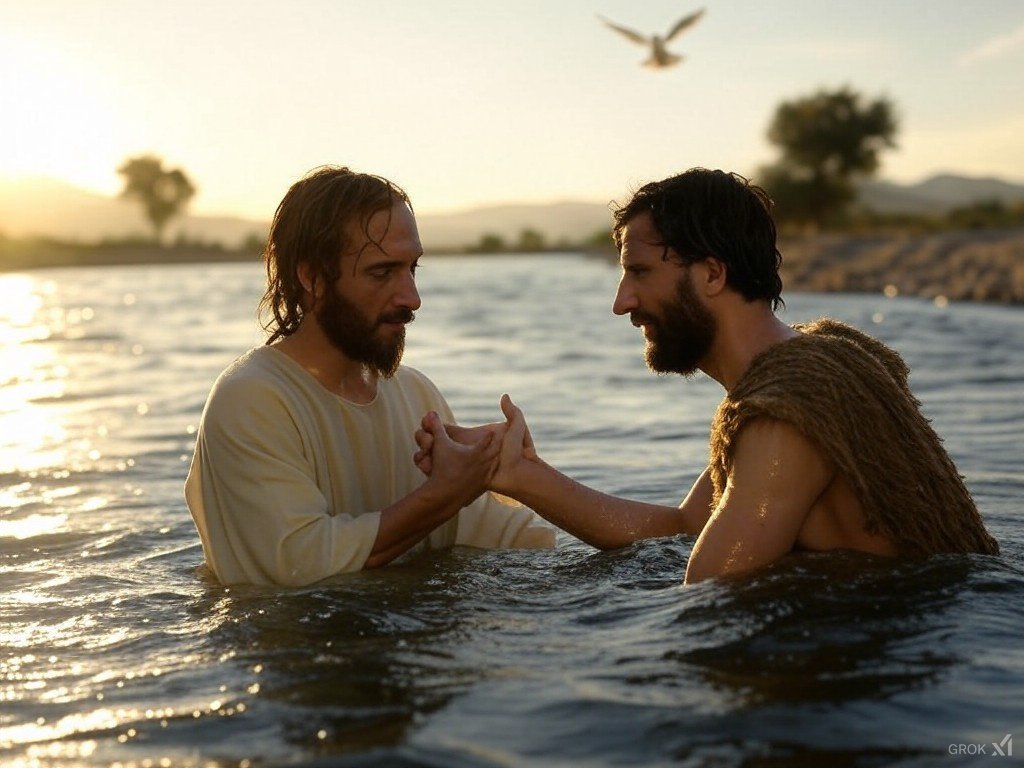
How Would the Early Church View a Believer Who Decides Not to Get Baptized?

This lesson addresses the modern tendency to treat baptism as optional and contrasts it with the way Jesus' commands and Acts are read in the historic faith. It describes an unbaptized believer as lacking something essential, while also acknowledging that God can make exceptions.

  • How would early Christians describe an unbaptized believer?
  • Is baptism only an outward sign?
  • Does baptism make someone part of the body of Christ?
  • Should baptism be repeated when changing churches?

What Was the Early Christian View on the Laying on of Hands for the Holy Spirit and Forgiveness of Sins in Baptism?

This lesson explains the early Christian understanding that sins are forgiven in baptism and the Holy Spirit is normally received through the laying on of hands. It also stresses that God is not boxed in by the normal order of practice.

  • Did early Christians connect baptism with forgiveness of sins?
  • What role did laying on of hands have in receiving the Holy Spirit?
  • How does Acts 2:38 relate to baptism?
  • Can God forgive or give the Spirit outside the normal pattern?

Should a Person Be Baptized If He Doesn't Agree with the Church for the Sake of Being Baptized?

This lesson counsels that a person should not unnecessarily delay baptism while waiting for a perfect church situation. The instructor emphasizes that Christ is the true minister of baptism and that baptism is into the body of Christ.

  • Should disagreement with a local church delay baptism?
  • Is the local minister what makes baptism valid?
  • What if the only nearby church has teachings I question?
  • How is baptism related to fellowship with the church?

Do You Think I Should Get Rebaptized as an Adult?

This lesson considers whether someone baptized as an infant should be baptized later as an adult or believer. It recommends adult baptism on a profession of faith in cases of doubt, while avoiding a harsh judgment of Christians whose only baptism was in infancy.

  • Should someone baptized as an infant be rebaptized as an adult?
  • Is infant baptism automatically treated as invalid?
  • What is conditional baptism?
  • Does the person performing the baptism determine its validity?

Are You Saying That a Person Who Prays a Sinner's Prayer is Not Truly Born Again?

This lesson distinguishes a conversion experience from the historic Christian use of the term new birth. The instructor affirms sincere conversion but says that, in the historic understanding, being born again is tied to baptism of water and the Holy Spirit.

  • Is the sinner's prayer the same as being born again?
  • How is conversion different from new birth in this lesson?
  • What if someone converts but is never baptized?
  • How did early Christians speak of baptism by blood or yearning?

Should Baptism Be Delayed Until Church Membership?

This lesson compares the prompt baptisms in Acts with later early Christian instruction before baptism. It rejects making baptism merely an initiation into a denomination or local church membership.

  • Should believers be baptized immediately?
  • Is instruction before baptism a wise practice?
  • Should baptism be tied to church membership?
  • Why is repeated baptism for denominational membership a problem?

What Mode of Baptism Was Most Often the Priority Mode or Did Early Christians Have a Specific Mode That They Held To?

This lesson discusses the Didache's guidance on baptism, including a preference for living water and immersion, with pouring as an alternative when enough water is not available. It argues for flexibility while rejecting a mere dribble or sprinkling as an adequate washing.

  • Did early Christians prefer immersion?
  • What is living water in this discussion?
  • Was pouring allowed when immersion was not practical?
  • Why does the instructor distinguish pouring from sprinkling or dribbling?

Was the Mode of Entering the Jewish Faith Also Baptism According to the Talmud?

This lesson considers whether later Jewish sources can reliably show what was practiced in Jesus' day. It distinguishes Jewish ritual washings and mikvas from John's baptism of repentance and from Christian baptism.

  • Can the Talmud prove Jewish practice in Jesus' day?
  • Were Jewish ritual washings the same as Christian baptism?
  • What were mikvas used for?
  • How did early Christians use Naaman as a type of baptism?

Should Those Baptized Merely to Join the Church Be Re-baptized in a Setting with Higher Expectations?

This lesson addresses whether a baptism done mainly to join a church should be repeated later. The instructor emphasizes the early Christian reluctance to rebaptize, while allowing for conditional baptism when a person's conscience is deeply troubled.

  • Is a baptism invalid if someone did it mainly to join a church?
  • When might conditional baptism be used?
  • How did the early church think about one baptism?
  • What if a person did not understand or repent at the time?

What Did the Early Christians Believe About Baptism and the Expulsion of Demons?

The supplied transcript sample for this lesson does not address baptism and the expulsion of demons. Instead, it discusses early Christian views of hell, including eternal conscious punishment, annihilation, and universal restoration as a minority view.

  • What views of final punishment appear in the supplied transcript?
  • Was eternal conscious punishment presented as the majority early Christian view?
  • How were Origen and Clement of Alexandria discussed?
  • Why does this transcript need editorial review against the lesson title?

Did the early church understand that you were not born again until you were baptized?

This lesson repeats the discussion of unbaptized believers and the historic connection between baptism and being added to the body of Christ. It cautions against treating baptism as optional while still leaving final judgment to God.

  • Did the early church connect baptism with the new birth?
  • How should Christians view someone who believes but remains unbaptized?
  • Is baptism into a local church or the body of Christ?
  • Why should baptism not be repeated for every church change?

Why Reject Infant Baptism If Early Christians Practiced It?

This lesson argues that infant baptism was not clearly universal in the earliest Christian evidence. It discusses Tertullian, Cyprian, and Justin Martyr, and explains why the instructor favors baptism when a person can choose, repent, and believe.

  • Was infant baptism universal in the early church?
  • What did Tertullian and Cyprian contribute to the discussion?
  • How does Justin Martyr's description affect the argument?
  • Why does the instructor reject infant baptism as his practice?

Is infant baptism biblical or merely tradition?

This longer lesson reviews biblical and early Christian arguments about infant baptism, including the limits of the Irenaeus quotation often used in the debate. It recommends baptism as an adult believer, or conditional baptism where doubts remain about a prior infant baptism.

  • Is infant baptism supported by Scripture or mainly by tradition?
  • Does Irenaeus clearly teach infant baptism in the quoted passage?
  • How does Justin Martyr describe the choice involved in new birth?
  • What should someone do if uncertain about an infant baptism?

Should Baptism Be Repeated If it Was Done in a Heretical Group?

This lesson examines early Christian disagreement over baptisms performed by heretics, including views associated with Clement of Alexandria, Tertullian, Cyprian, and a treatise on rebaptism. It applies those questions cautiously to a divided modern church.

  • Did early Christians agree about baptism by heretics?
  • When did some churches rebaptize converts from heretical groups?
  • Why did others lay on hands instead of rebaptizing?
  • Does an incorrect view of baptism automatically make a baptism invalid?

Are Vows Made at Baptism to a Specific Church Binding If I Didn’t Understand Them?

This lesson considers baptismal vows made to a specific church or denomination, especially when the person did not understand the language or meaning of the vows. It distinguishes vows to Christ from sectarian vows that claim permanent loyalty to a particular group.

  • Are baptismal vows binding if they were not understood?
  • Is a vow to a denomination the same as a vow to Christ?
  • How should someone think about leaving a church after such vows?
  • Can Revelation's letters to the seven churches be applied directly today?

I was baptized once in the name of the Father, Son, and Holy Spirit. The early church used triple immersion. Should I be re-baptized?

This lesson answers whether single immersion in the name of the Father, Son, and Holy Spirit should be repeated because early Christians commonly used triple immersion. The instructor says triple immersion is a strong early model, but not a stated New Testament requirement that invalidates single immersion.

  • Is single immersion valid if early Christians used triple immersion?
  • What did Jesus specify in Matthew 28:19?
  • When might rebaptism be considered because of the baptismal wording?
  • Why is the early church's reluctance to rebaptize important?

Be the first to review this course

No reviews yet on this course. If this teaching has been a blessing to you, a short review is one of the most powerful ways to help others find it — honest reviews help this course rank higher in Google so more people discover the historic faith.

Help spread the message. Every honest review helps more people discover this teaching through Google and word of mouth. If this course has helped you, sharing a few sentences is one of the simplest ways to support the mission — it’s free, takes about a minute, and reaches people we may never meet.
Baptism

Preview this Course

+132 enrolled
Start Course

Open Registration

Course Includes

  • 17 Lessons
  • 0 Quizzes
  • Course Certificate